Happy Autism Awareness/Acceptance Month! I was inspired to put together a list of picture books after Mychal Threets’ recent post about his autism diagnosis. I admire his openness, as I was diagnosed with autism last year. Books with an asterisk do not explicitly have autistic characters, but represent traits, experiences, and feelings that I (and others) heavily associate with having autism. Please note I have written short summaries and reviews for my favorite books on this list, and the rest are listed at the end!
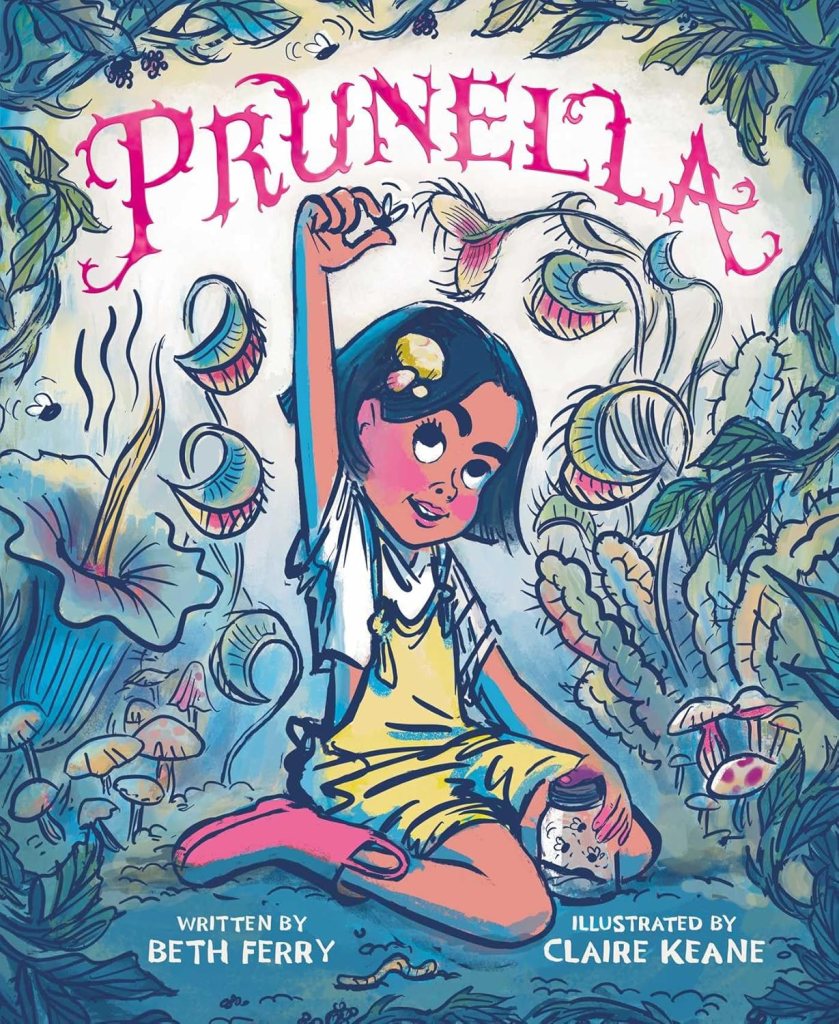
Prunella*, written by Beth Ferry and illustrated by Claire Keane, is one of my favorite picture books of 2025. Though Prunella is not explicitly autistic, she has an intense interest in gardening and struggles to make friends, as other kids find her interest strange or repulsive. Prunella is an example of how autistic kids can thrive when they have supportive parents: “They didn’t always understand Prunella’s choices, but they completely understood her passion. And they fueled it!” The story also shows the importance of finding peers who share and respect your interests. I also absolutely love Keane’s illustration style.
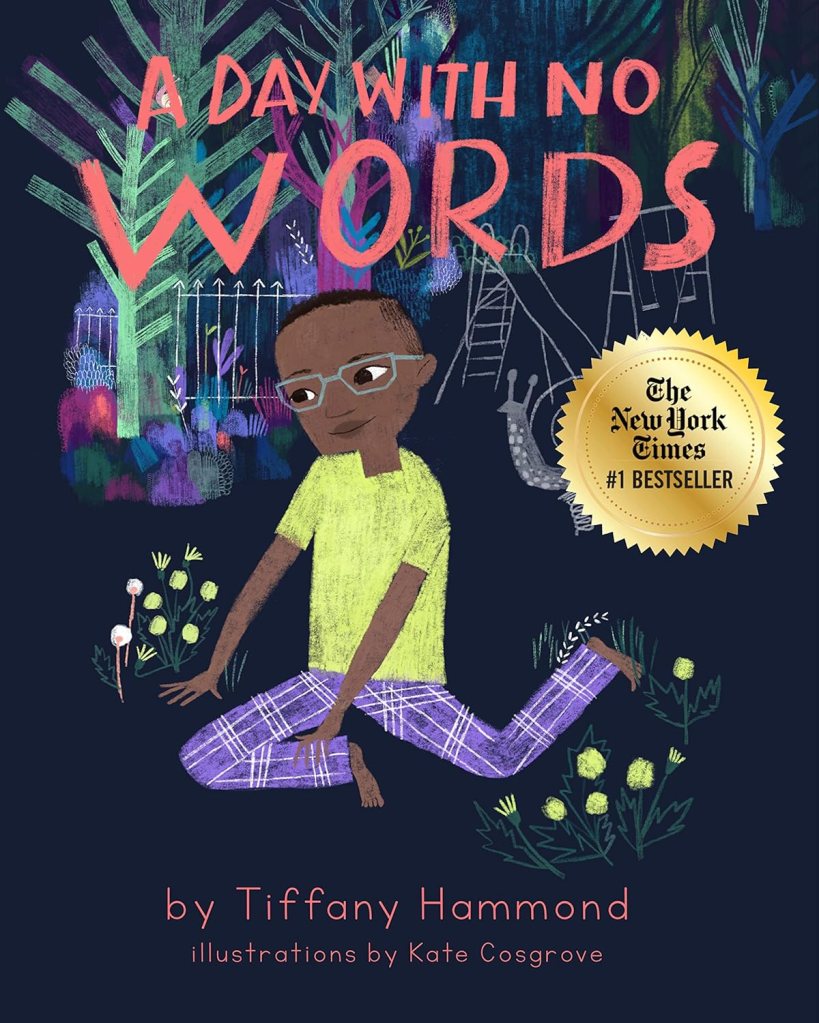
A Day With No Words (2023) is written by Tiffany Hammond, an autistic mother of two autistic children, and illustrated by Kate Cosgrove. The story is based on Hammond’s son, Aidan, who is nonverbal and autistic. Aidan uses a tablet to communicate, though in the book we hear him describing his likes, dislikes, and feelings: “Some people have big voices that feel like storms in my head. They thrash and they scream.” Aidan has a supportive mother whose voice he finds comforting. At the park, another parent refers to Aidan as “handicapped,” which leads his mother to have to take time to calm down. She notably stands up for her son. Overall, I love that this book shows an adult coping with ableism and advocating for her son. Cosgrove’s illustrations are vibrant and show how much Aidan has to say and what is going on inside his head.
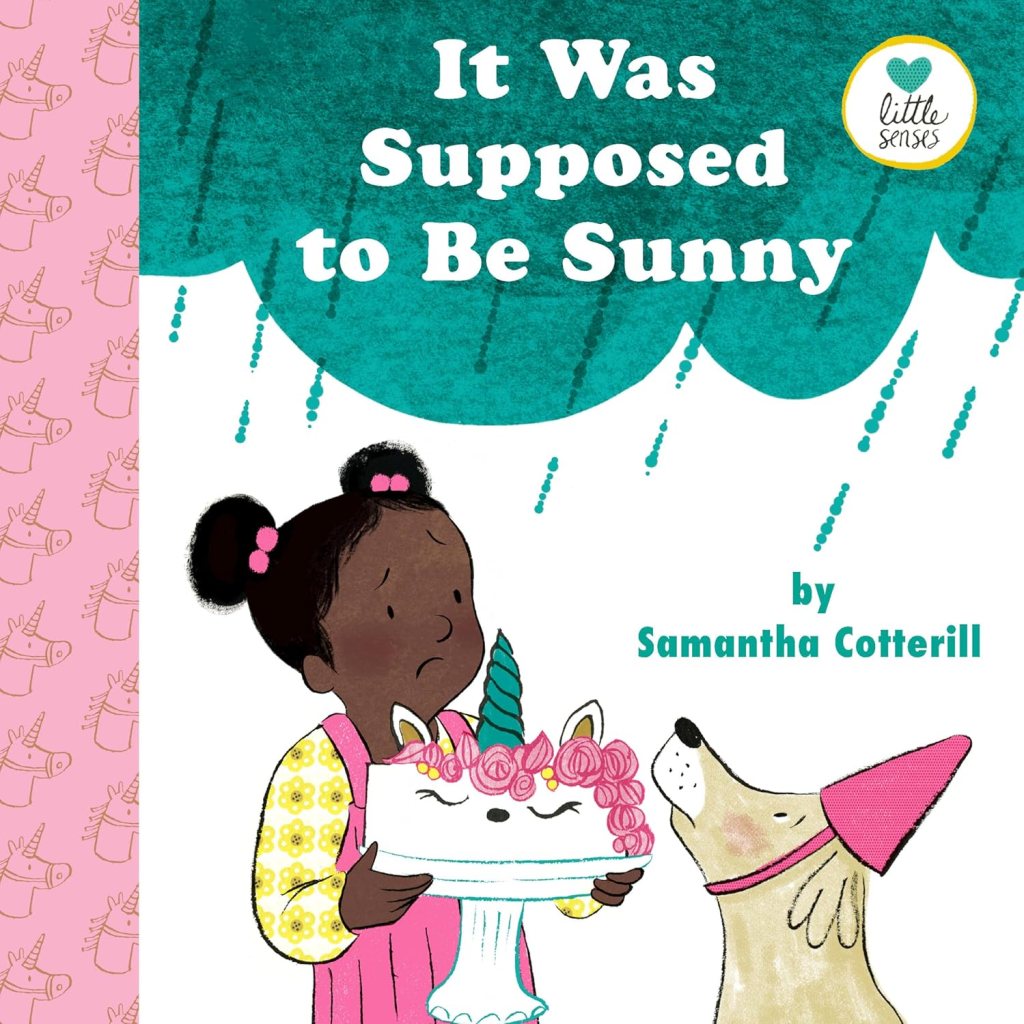
It Was Supposed to Be Sunny (2021) is written and illustrated by Samantha Cotterill. This book is one of four books in Cotterill’s Little Senses series, which are books specifically intended for kids on the autism spectrum or those who have sensory issues. This story follows Laila, a girl who is implied to be autistic and is preparing for her birthday party. When the weather turns stormy, Laila struggles to cope with the change in plans. Luckily, Laila’s mom is effective in calming her down and helping her to cope with the unexpected, using strategies like spending time with the family dog. Towards the end of the book, Laila repeats a mantra on her own: “I’ve been through this before…and I can do it again.” As a result of self-regulating, she comes up with a written/visual schedule edited for the weather and enjoys the rest of the party. I love the representation of a young girl who has been taught how to self-regulate and clearly has a supportive mother!
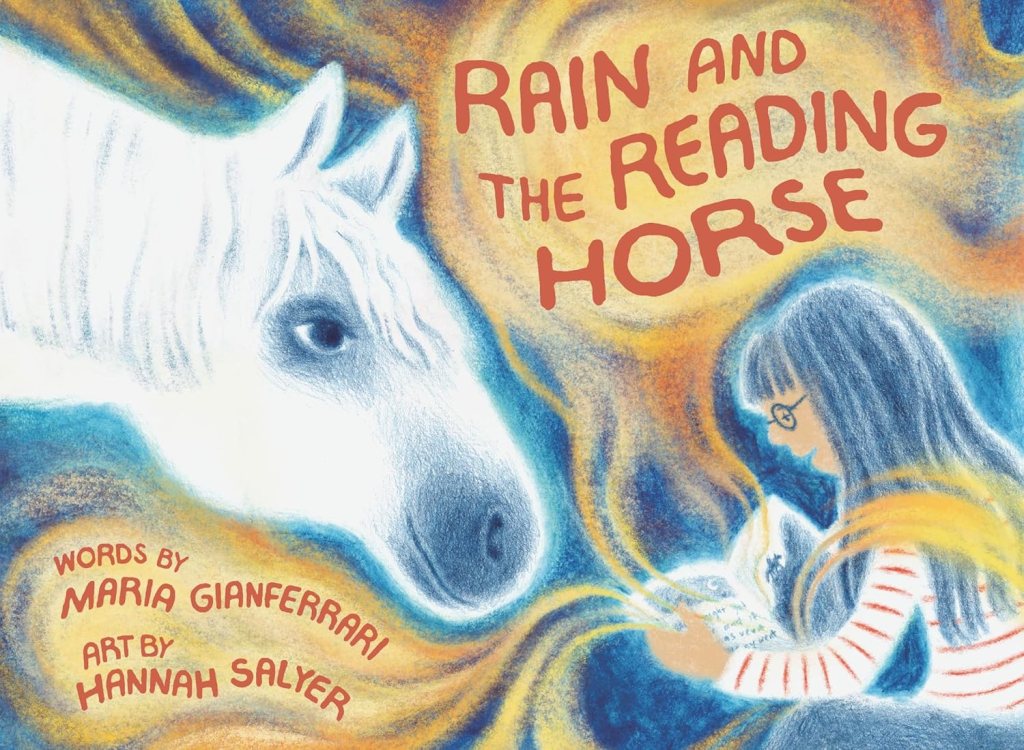
Rain and the Reading Horse* was published in 2025 and is written by Maria Gianferrari and illustrated by Hannah Salyer. The narrative is centered on Rain, a young girl who struggles to speak and attends a therapeutic program in which kids can read to horses. Though Rain is not explicitly implied to be autistic in the story or by Gianferrari, her apparent anxiety is very representative of my experience as an un-diagnosed autistic kid in my teens and early adulthood:
“In the barn,
Rain’s heart quickened.
Her neck flushed red.
The words chocked
and caught in Rain’s throat.
At least her classmates
weren’t there to stare
And make her feel small inside.”
Rain continues visiting the barn and the horse, Snow. She does work around the barn and one day is finally able to read to Snow and feels a great sense of accomplishment. I absolutely love Hannah Salyer’s illustration style, and this is also one of my favorite picture books of 2025!
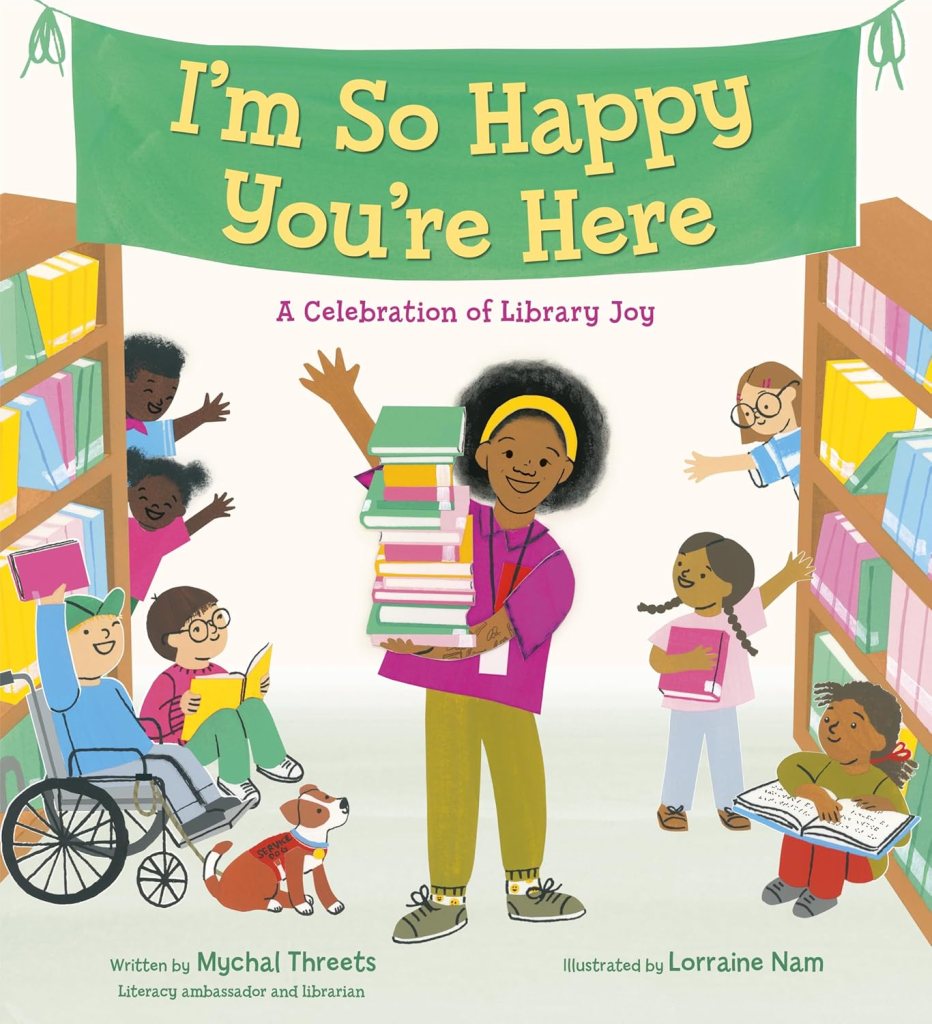
I’m So Happy You’re Here: A Celebration of Library Joy (2026) is written by Mychal Threets and illustrated by Lorraine Nam. This is a book celebrating diversity in public libraries in terms of race, disability, socioeconomic status, and LGBTQ+ identity. He writes, “You belong here if you don’t have a home. You belong here if you have a home.” I love the clear reference to unhoused populations in public libraries, and the sentiment that librarians welcome everyone. Though there is no explicit discussion of autism, I find this book to be particularly important after Mychal recently disclosed his autism and ADHD diagnoses. I’m truly so happy he has gotten so much recent attention as the new host of Reading Rainbow!
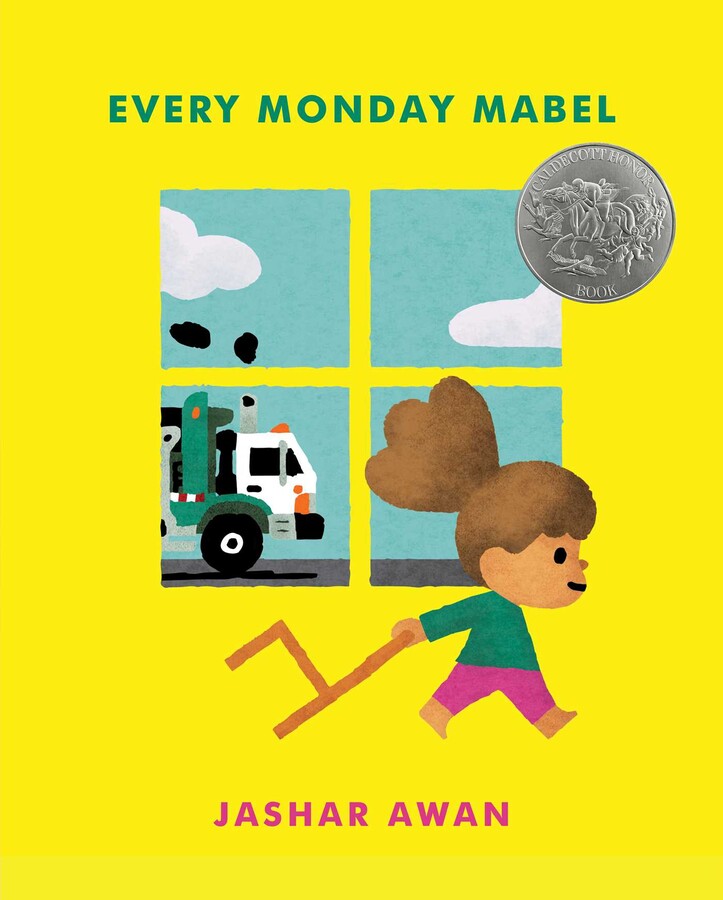
Every Monday Mabel by Jashar Awan is also one of my top picture books of 2025! This story follows Mabel, a girl who has a very particular Monday routine of waiting for and watching the garbage truck come to her house. Various family members find her interest in the garbage truck boring, cute, or funny. When the garbage truck arrives, Mabel gets extremely excited. After, Awan illustrates many windows with other people who love watching the truck like Mabel, showing that she isn’t alone. Though Mabel is never labeled as autistic, her intense interest in the garbage truck and strict Monday routine aligns with experiences of people on the autism spectrum. As a child, I had a similar interest in tornado siren testing growing up in Central Illinois.
I actually read this book last week for an ‘M’ themed storytime at my branch! As I’ve mentioned previously on my blog, Jashar Awan is one of my top author-illustrator choices for storytime.
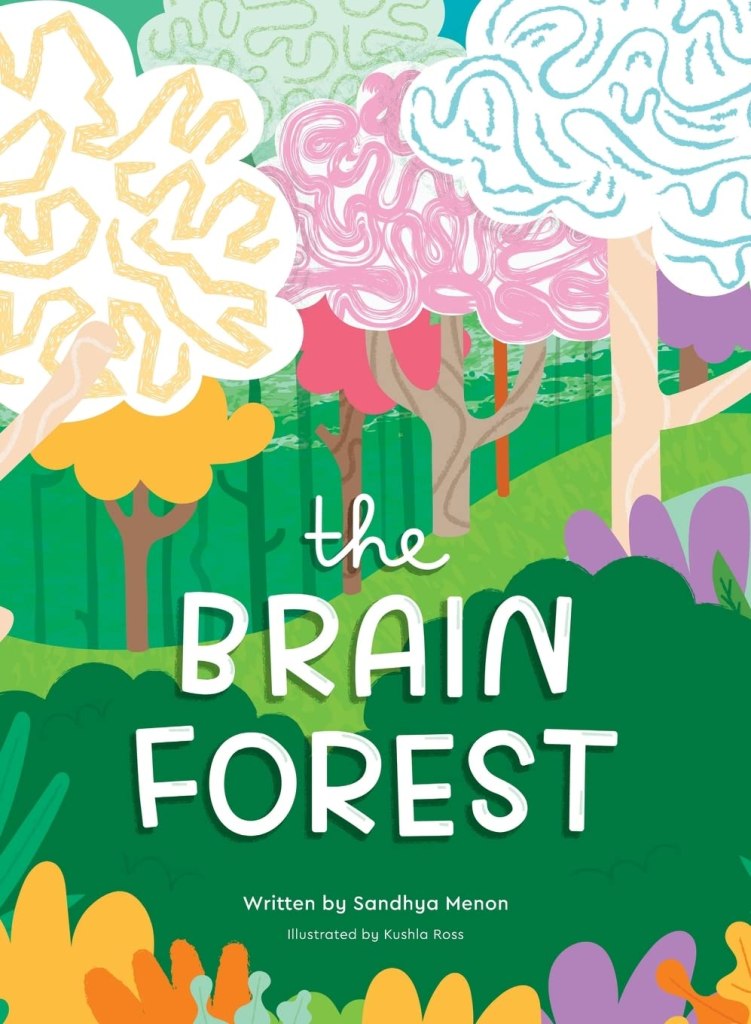
The Brain Forest was published in 2022 and is written by Sandhya Menon and illustrated by Kushla Ross. Menon identifies as an AuDHD Psychologist, and this book explores the concept of neurotypical versus neurodivergence, including autism, ADHD, and dyslexia. The book also discusses nuances such as brains that have more than one type of neurodivergence. Menon provides the reader with suggestions of how to be inclusive, making it effective for kids learning to support autistic or neurodivergent friends and family. The book also poses the question to the reader, “What are some things your brain is good at?” and gives examples, making space for neurodivergent youth to find their strengths as they read. Overall, I love that this book is written by a neurodivergent psychologist and I would recommend it to kids and families up to age 10.
Additional books I recommend include:
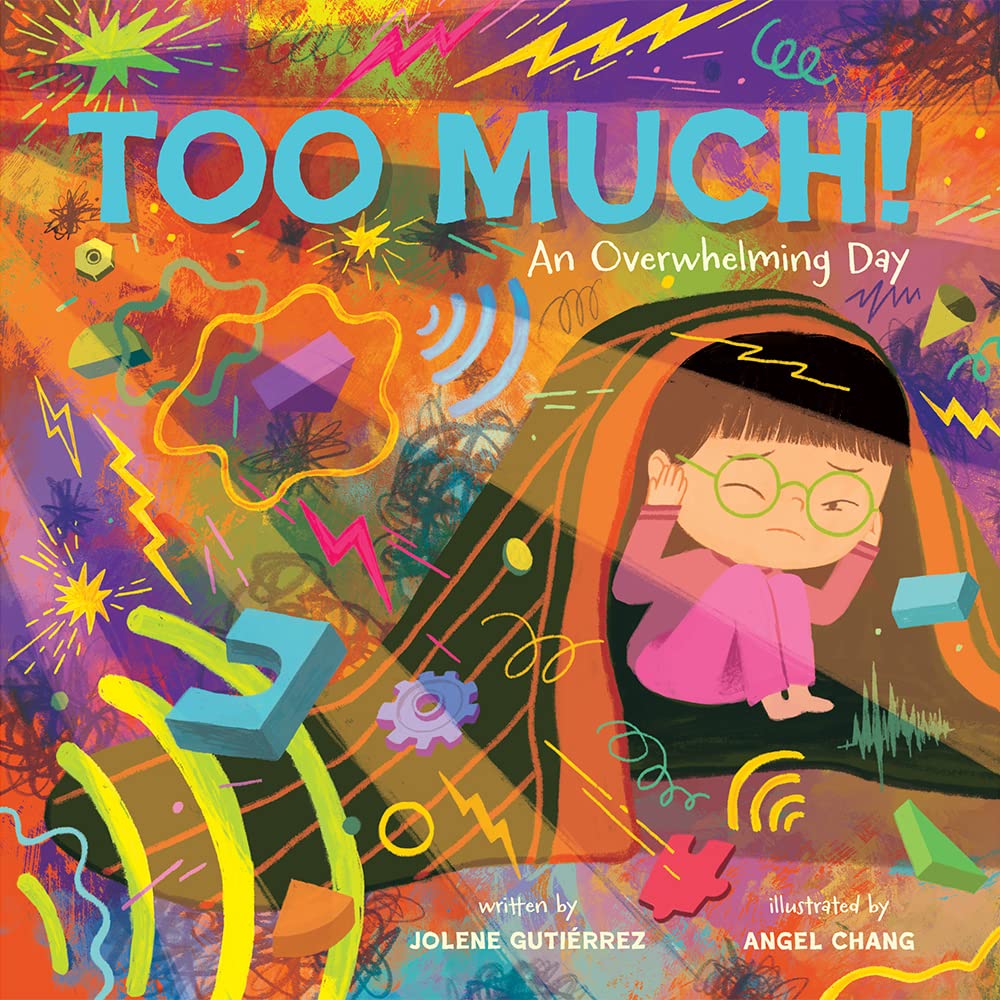
Too Much!: An Overwhelming Day (2023), written by Jolene Gutiérrez, illustrated by Angel Chang
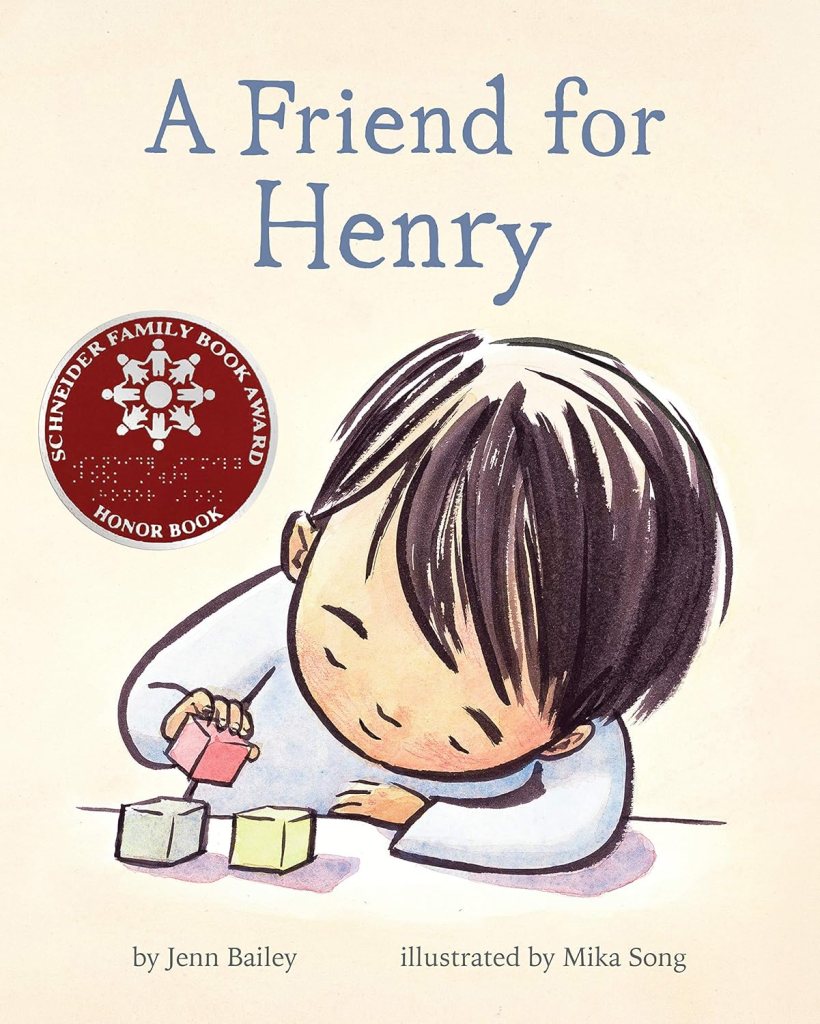
A Friend for Henry (2019), written by Jenn Bailey, illustrated by Mika Song
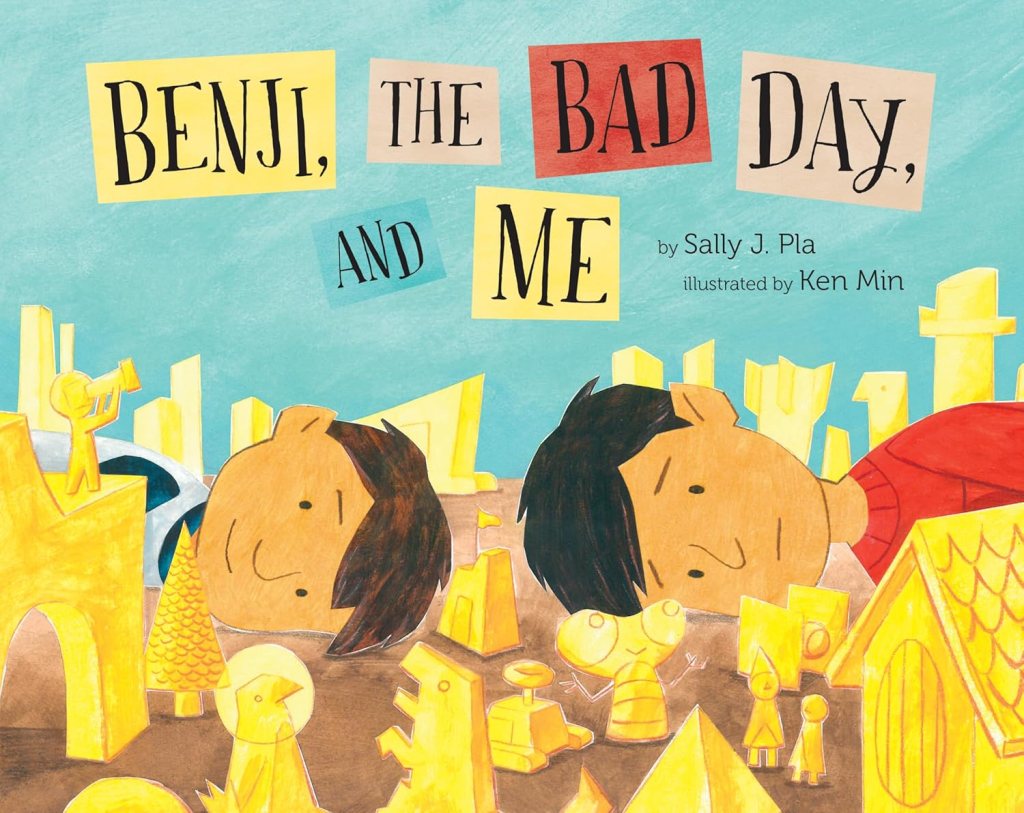
Benji, the Bad Day, and Me (2018), written by Sally J. Pla, illustrated by Ken Min
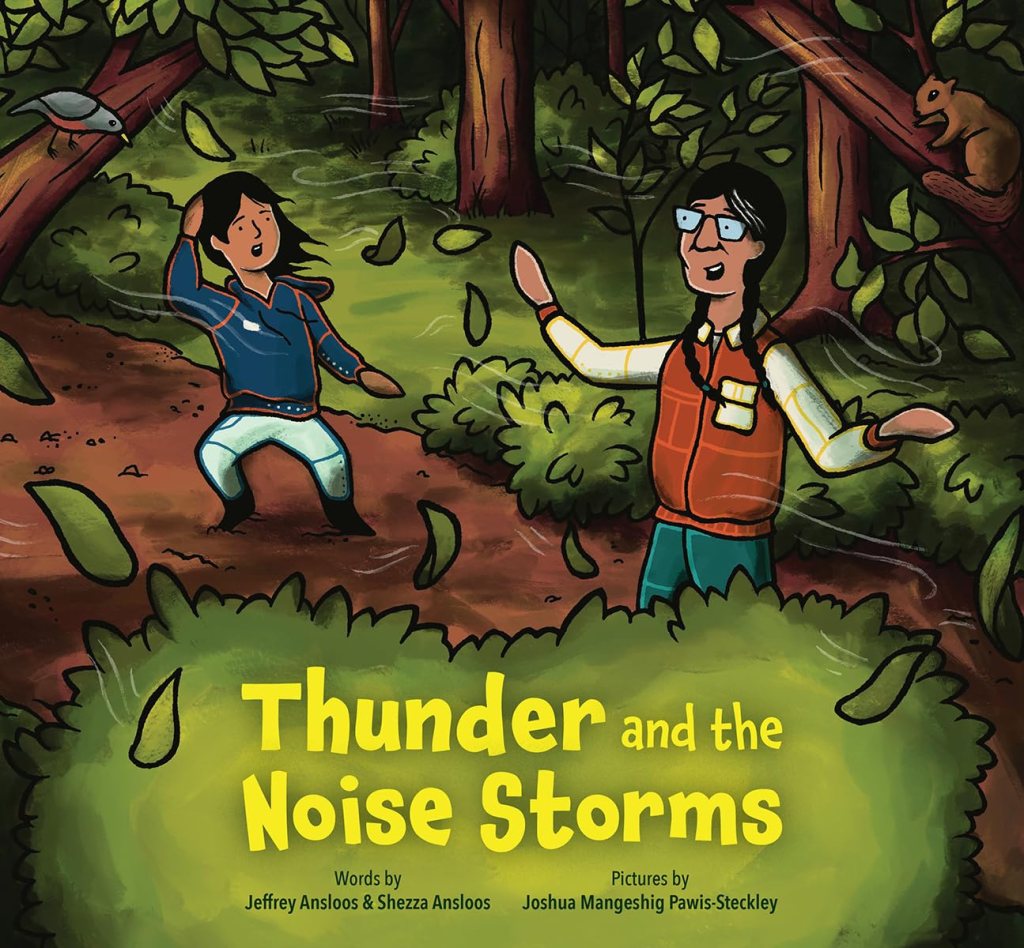
Thunder and the Noise Storms (2021), written by Jeffrey Ansloos and Shezza Ansloos, illustrated by Joshua Mangeshig Pawis-Steckley
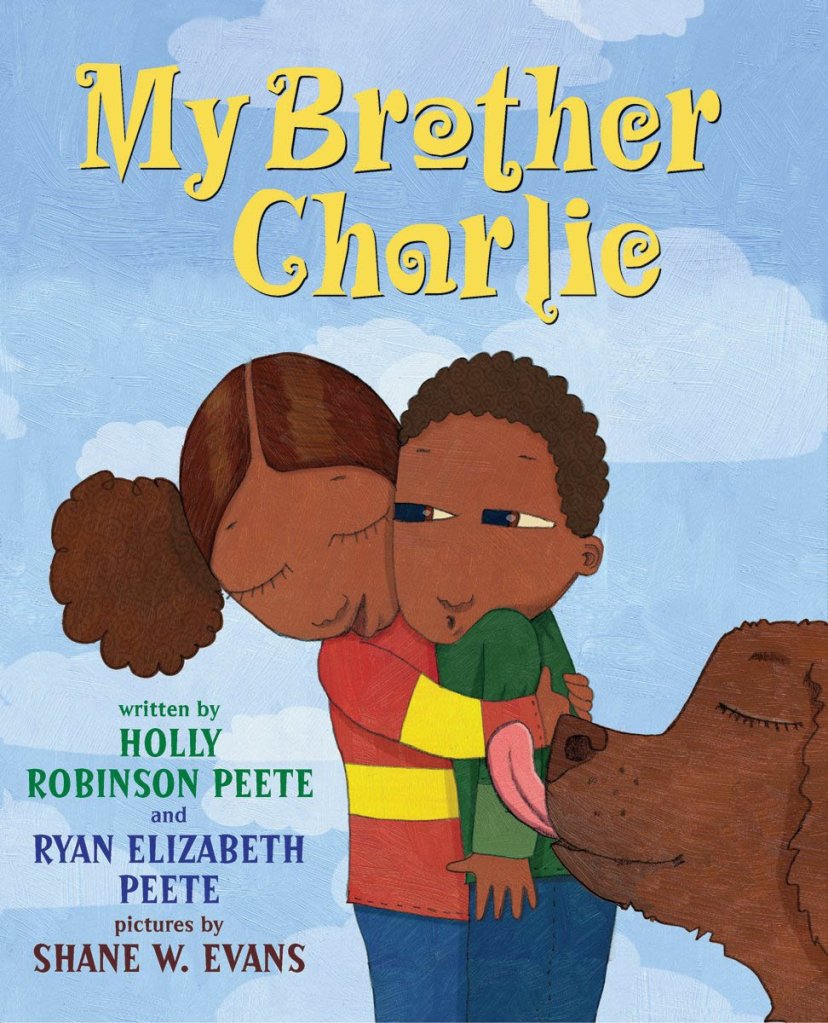
My Brother Charlie (2010), written by Holly Robinson Peete and Ryan Elizabeth Peete, illustrated by Shane W. Evans


Leave a Reply